Enrolling in a first aid course is a proactive step toward being prepared for emergencies. Whether you’re a parent, teacher, coach, or workplace safety officer, understanding what to expect can help you make the most of your training. This guide outlines the structure, content, and benefits of a typical first aid course.
Course Structure: Blending Theory and Practical Skills
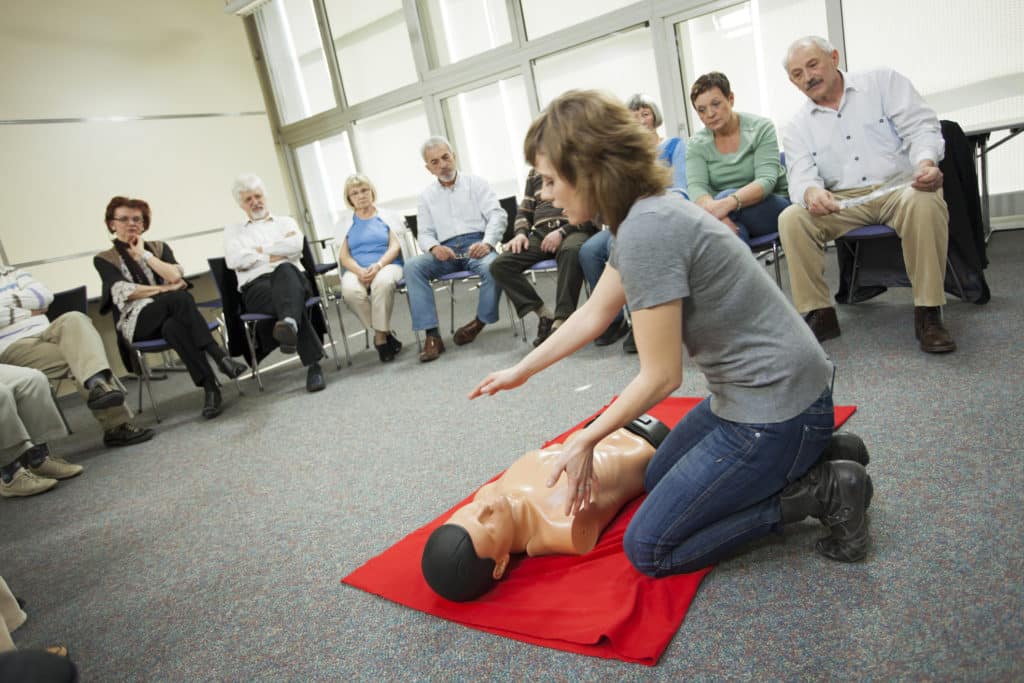
First aid courses are designed to provide both theoretical knowledge and hands-on experience. You’ll engage in interactive lessons that cover essential topics, followed by practical sessions where you can apply what you’ve learned. This combination ensures that you’re well-prepared to handle real-life emergencies.
Core Topics Covered
A comprehensive first aid course typically includes training in the following areas:
- Basic Life Support (BLS): Learn how to perform CPR and use an Automated External Defibrillator (AED) effectively.
- Wound Care: Techniques for treating cuts, abrasions, and other injuries.
- Burns and Scalds: First aid procedures for thermal injuries.
- Choking: Methods to assist someone who is choking.
- Fractures and Sprains: Immobilization and pain management strategies.
- Medical Emergencies: Recognizing and responding to conditions like heart attacks, strokes, and seizures.
- Environmental Injuries: Handling bites, stings, and exposure to extreme temperatures.
Certification and Assessment
Upon successful completion of the course, you’ll receive a certification that is often valid for three years. Most courses assess your skills through practical demonstrations rather than written exams, ensuring that you can perform first aid procedures competently. Some organizations may offer online modules combined with in-person practical sessions to accommodate different learning preferences.
Preparing for the Course
To get the most out of your first aid training:
- Wear Comfortable Clothing: You’ll be practicing physical skills, so dress appropriately.
- Stay Engaged: Participate actively in both theoretical and practical sessions.
- Ask Questions: Instructors are there to help clarify any doubts you may have.
- Practice Regularly: Repetition helps reinforce skills and builds confidence.
Benefits of First Aid Training
Completing a first aid course offers numerous advantages:
- Increased Confidence: You’ll feel more prepared to handle emergencies.
- Enhanced Safety: Knowledge of first aid can prevent minor incidents from becoming major ones.
- Career Advancement: Many employers value employees with first aid certification.
- Community Impact: Being trained enables you to assist others in your community during emergencies.
Conclusion
A first aid course is an invaluable investment in your ability to respond to emergencies effectively. By understanding what to expect and preparing accordingly, you can maximize the benefits of your training and be ready to make a difference when it matters most.